1. Count and photograph
The team inventories every container, drum and spill area before touching anything. Photos record the starting condition for insurers and inspectors.
Cascade, IA · Dubuque County
Found unlabeled drums or a strong chemical smell at a Cascade property? Keep people away and call (877) 812-4220. Crews identify the substance, remove it and clean the area it reached.
If anyone is in danger, call 911 first. For a suicide crisis, call or text 988.
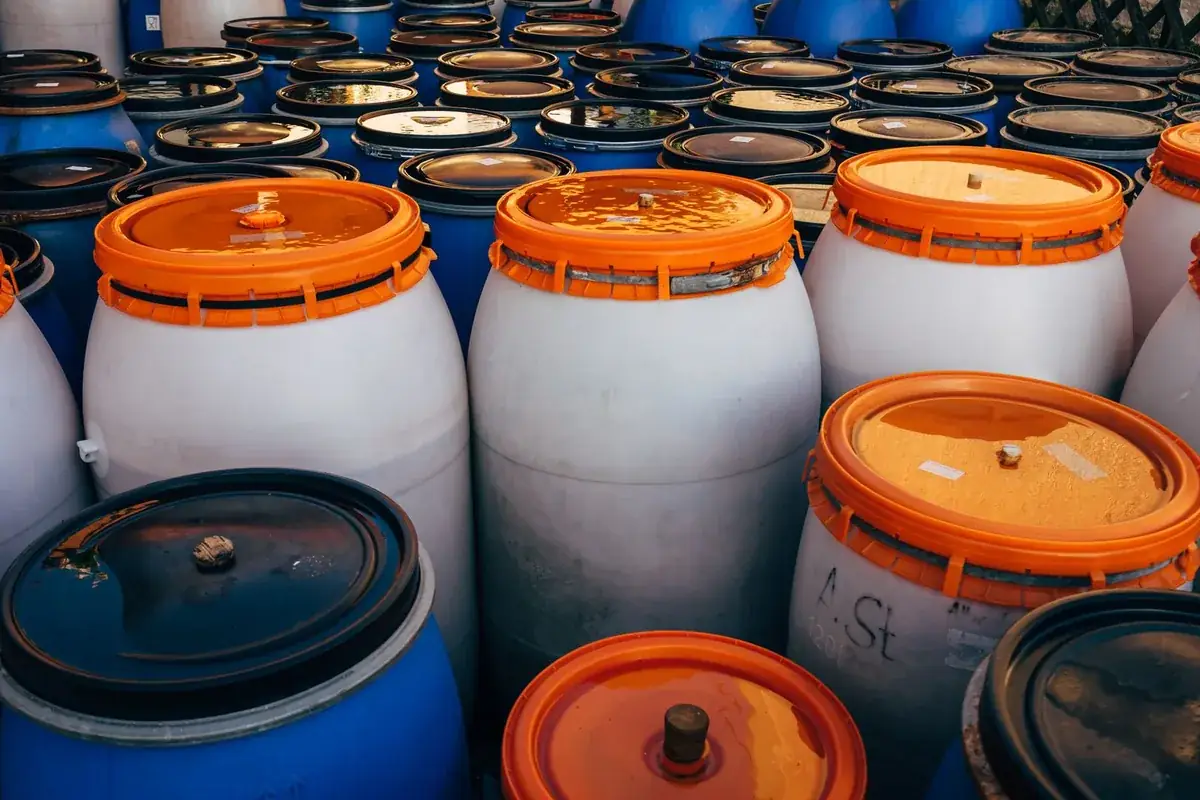
Hazardous cleaning services protect the people near a release and the people doing the work. Crews check safety data sheets, wear gear matched to the hazard and never mix products.
After a release at your Cascade site, you get the crew, the protective equipment and the containers to put things right. Why choose Cascade Biohazard Cleanup Help in Dubuque County? Discretion, documentation and a site that is safe to use again.
Dubuque County has a Relatively Low river flood risk rating from FEMA, but a leak near a ditch or storm drain can still carry hazardous materials off a property. If someone in Cascade is exposed to a hazardous material, 911 and Mercyone Dyersville Medical Center come first, and cleanup follows once the scene is safe.
Hazmat Cleanup in Cascade usually includes:
The team inventories every container, drum and spill area before touching anything. Photos record the starting condition for insurers and inspectors.
Chemical-resistant suits, gloves, eye protection and respirators go on as the hazard requires. The work zone is marked and ventilation is managed.
Drains are covered where needed and ignition sources are controlled. The crew works from clean areas toward the source and collects the material.
Waste is hauled and the owner gets a list of what was removed. The crew explains what to keep for the file.
Hazmat cleanup in Cascade, IA typically costs $4,000 to $40,000, depending on the size of the affected area and the materials involved.
Size and spread matter. A spill on sealed pavement is less work than one that soaked into soil, gravel or porous materials, and more material means more labor and more waste.
| Type of job | Typical range |
|---|---|
| Small to mid-size spaces | $4,000 - $40,000 |
| Initial cleanup and containment | $6 - $20 per square foot |
These ranges come from published cost guides (One and Done Prep) and are not a quote for Cascade. Price drivers include type of contaminant, square footage, containment setup, waste disposal. For a real number, call (877) 812-4220.
It is the safe handling, removal and disposal of hazardous materials after a spill, leak or release. Crews identify the material and wear suitable protective gear. They contain the spread, clean the area and send waste to a facility that can accept it.
OSHA sets safety rules for workers who respond to and clean up hazardous substances. Professional crews follow those rules and use gear matched to the hazard. Employers have their own duties, which safety staff or an attorney can explain.
Waste is sorted, labeled, packed and hauled by the rules that apply to its type. It does not go in the regular trash or down a drain. Ask the team how its waste is hauled and disposed of, and ask for records at the end.
Fire and emergency crews respond to immediate dangers, so call 911 first. They make the scene safe. Cleanup usually follows once they release the site. You can then get a cleanup team for removal, cleaning and disposal, and learn what records to keep.
Stop the source only if it is safe, keep people away and call 911 if there is fire risk or danger. A cleanup team contains the leak, removes soaked material and cleans pavement and equipment. It can also provide records for the insurer.
The person or business that caused a release is often responsible, and owners usually carry the cost on their own property. After a vehicle accident, ask whether another party's insurer or a carrier is involved. In a rental, the lease and local law decide.
Describe the spill by phone and the team explains the next safe step.
Call (877) 812-4220